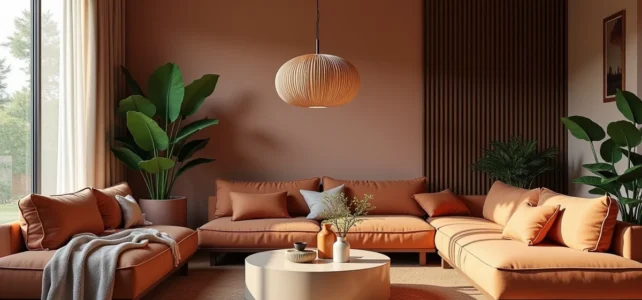
Transforming your home decor doesn’t necessarily require a big budget or heavy renovations. A few targeted choices in colors, materials, or furniture arrangement can radically change the atmosphere of a room. Here are ten concrete tips to decorate your interior with style, focusing on trends that truly work in 2026.
1. Replace all beige with deep earthy tones
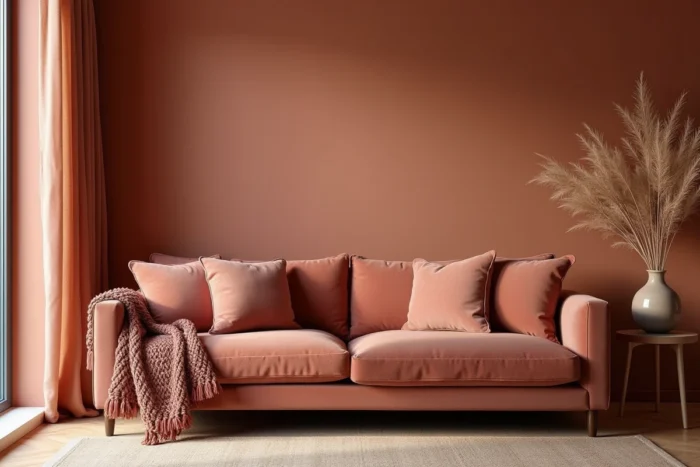
Have you ever noticed that an entirely beige living room ends up looking bland? Decorators are observing a clear break from uniform neutrals. Current palettes favor ochre, terracotta, and sage green, which add depth without darkening the room.
Earthy tones replace uniform beige to give dimension to each space. Pair a dark ochre accent wall with lighter textiles to avoid a cave-like effect. The contrast creates an immediate visual reading of the room.
For those looking for more layout ideas, you can check out the house on Le Blog de Coco to find additional inspirations on color combinations.
2. Incorporate dark woods to structure furniture
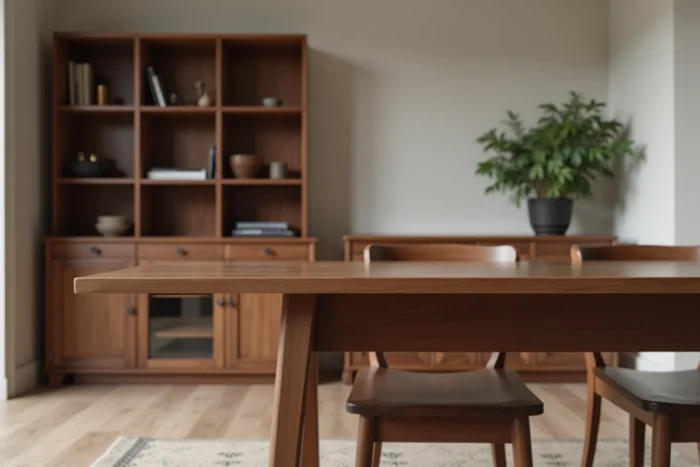
White oak has dominated interiors for years. The furniture trend in 2026 is shifting towards darker woods like smoked oak or walnut. These woods provide a visual anchor to the living room or dining area.
Just one piece of dark wood furniture, like a coffee table or a bookshelf, is enough to elevate a room with light walls. A common mistake is to accumulate several in the same space, which can weigh down the overall look.
3. Embrace biophilic decor with XXL plants
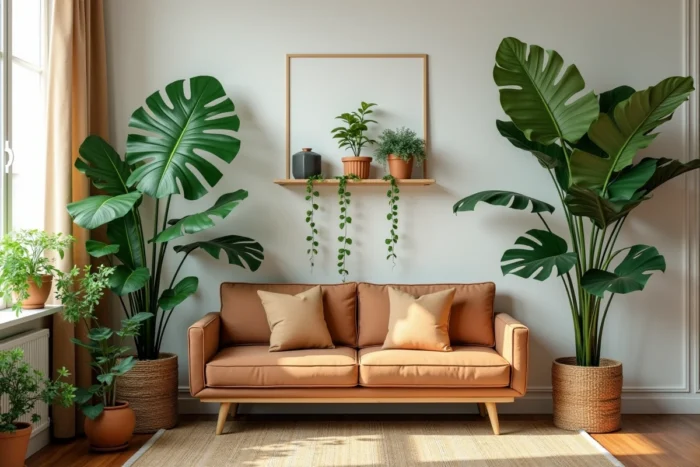
Biophilic decor has been the fastest-growing trend since 2024 in urban apartments. The principle is simple: multiply natural elements (plants, plant fibers, natural light) to enhance daily well-being.
Forget about small cacti sitting on a shelf. A single large plant, like a fiddle leaf fig or a strelitzia, can transform a dead corner into a focal point. Combine it with a woven fiber pot cover to enhance the natural effect.
4. Layer lighting instead of relying on a ceiling fixture
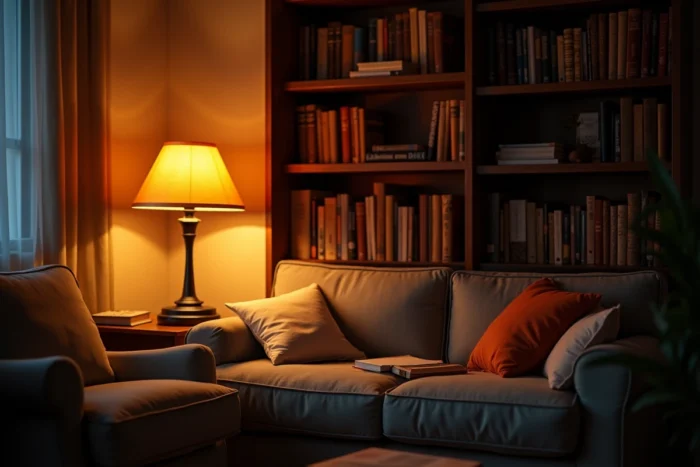
A single ceiling fixture flattens the volumes and removes the relief from a room. Layering three light sources at different heights completely changes the perception of the space: a floor lamp, a pendant light, and accent lighting on a piece of furniture.
For the living room, opt for warm temperature bulbs. In an office or kitchen, cooler light is better suited for precise tasks. The goal is to create distinct zones within the same room.
5. Focus on an accent wall to refocus the gaze
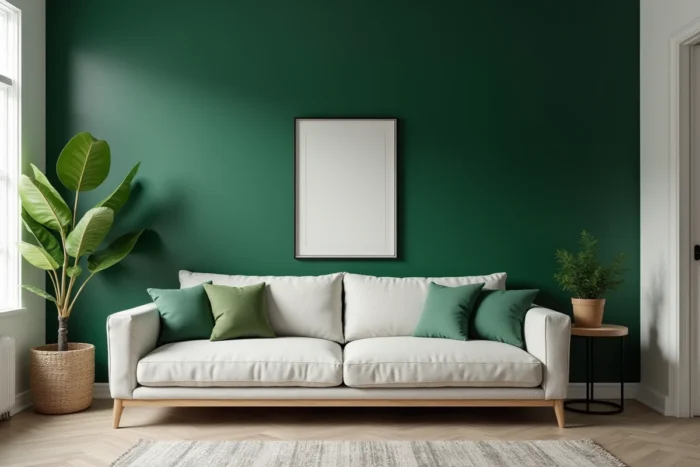
Painting all four walls of a room the same color results in a uniform but flat look. A single wall treated differently (paint, textured wallpaper, wooden slats) is enough to guide the eye and structure the room.
The accent wall works particularly well behind a sofa or a headboard. Choose the wall you see upon entering the room to maximize the effect.
6. Optimize storage with dual-function furniture
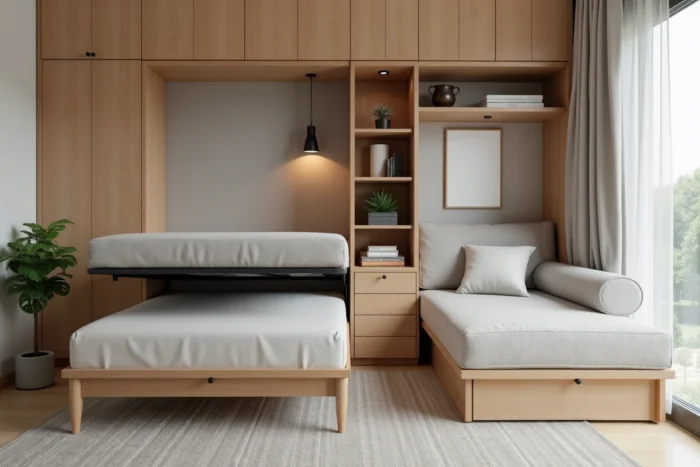
A lack of storage often creates a sense of disorder, even in a well-decorated interior. A dual-function piece of furniture solves the problem without cluttering: a bench with storage, a coffee table with drawers, a bed with a storage base.
Before buying a new decor accessory, ask yourself: can this piece of furniture also store something? This logic reduces the number of items in the room and frees up floor space.
7. Play with asymmetry in accessory arrangement
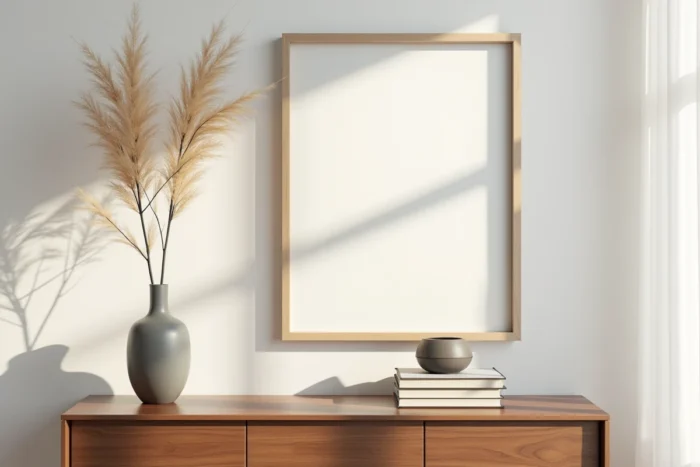
Placing two identical objects on either side of a piece of furniture is a common reflex. However, a slightly offset arrangement adds more character. Three elements of varying sizes grouped together create a more dynamic visual point than two symmetrical objects.
On a shelf, alternate a tall object (vase, candlestick), a low object (box, book), and an organic element (plant, stone). An odd number of objects creates a natural visual balance.
8. Choose textiles made from natural fibers for cushions and curtains
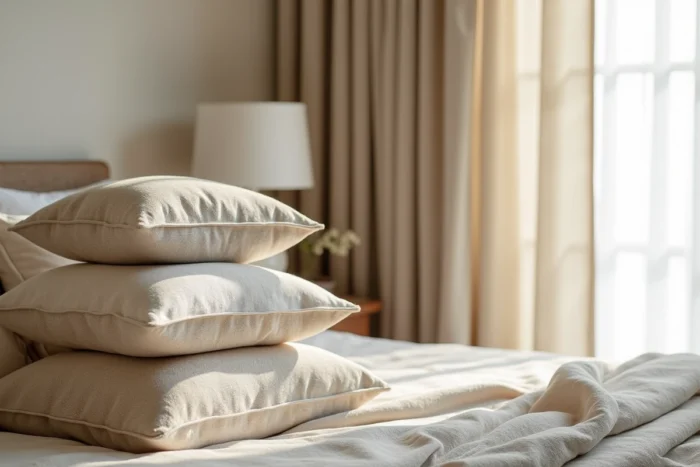
Synthetic shiny textiles age poorly and give a cheap look to the decor. Linen, thick cotton, or jute add texture and age gracefully.
Change the cushion covers and curtains in a room: it’s one of the cheapest gestures that produces the most effect. Stay within the same family of tones for consistency, but vary the textures between smooth and grainy.
9. Create a focal point with a sculptural light fixture
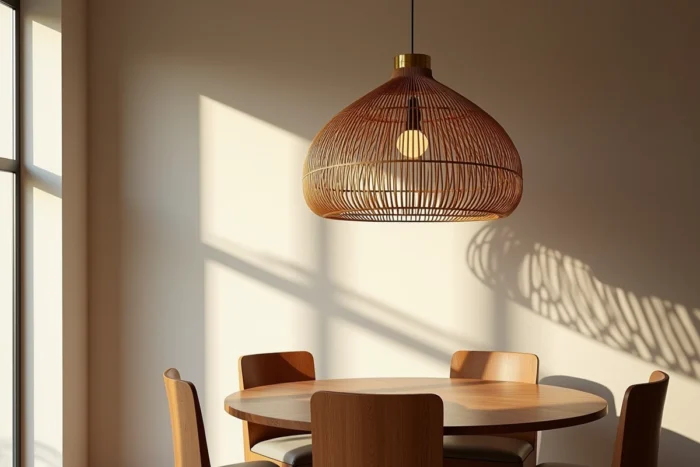
A pendant light above the dining table or an arc floor lamp in the living room acts as a piece of art. The sculptural light fixture replaces a painting and draws the eye without taking up floor space.
Favor natural materials (rattan, brushed metal, blown glass) that integrate with current trends. Avoid overly imposing models in low-ceilinged rooms, as they can overwhelm the volume.
10. Invest in a large mirror to amplify space
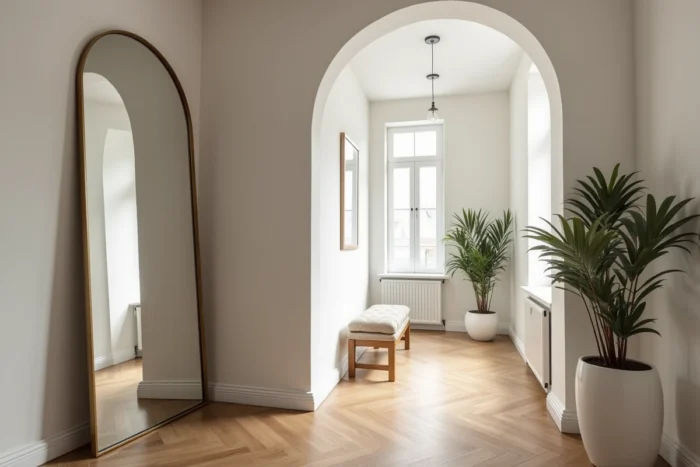
A large mirror, placed on the floor or hung facing a window, visually doubles the depth of a room. The effect is particularly pronounced in narrow hallways and entries.
Place the mirror facing the main source of natural light. It will redistribute brightness throughout the room. A raw wood or black metal frame is enough to make it a true decorative element, not just a functional tool.
Each of these tips works independently, but it’s their combination that makes the difference. Start with lighting and colors, which transform a room without touching the furniture, then adjust textiles and accessories according to the result achieved.