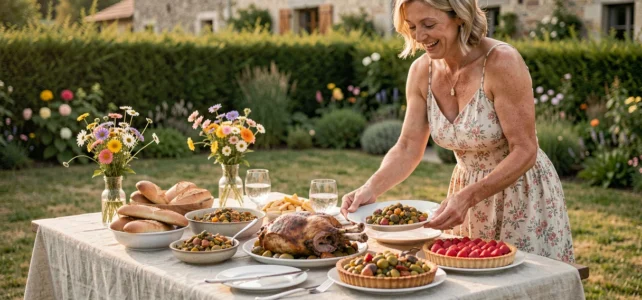
Pentecost often falls at a time when spring delivers its best produce, and the temptation to cook at the last minute spoils part of the pleasure. Creating an unusual Pentecost menu requires a bit of anticipation, not necessarily more technique. The idea: prepare the day before, serve cold or warm, and focus on recipes that gain flavor after a few hours in the refrigerator.
Cold and no-cook recipes on the big day: the key to a serene Pentecost meal
Have you ever noticed that the most appreciated dishes at a large meal are often those that patiently wait in the fridge while you enjoy your guests? This is exactly the principle to adopt for Pentecost.
A veal tartare with capers and lemon zest, seasoned the day before and covered with film, develops its aromas all night long. Served with a few arugula sprouts and a drizzle of fruity olive oil, it advantageously replaces the classic roast that needs monitoring in the oven. Cold dishes prepared the day before are completely liberated on the big day.
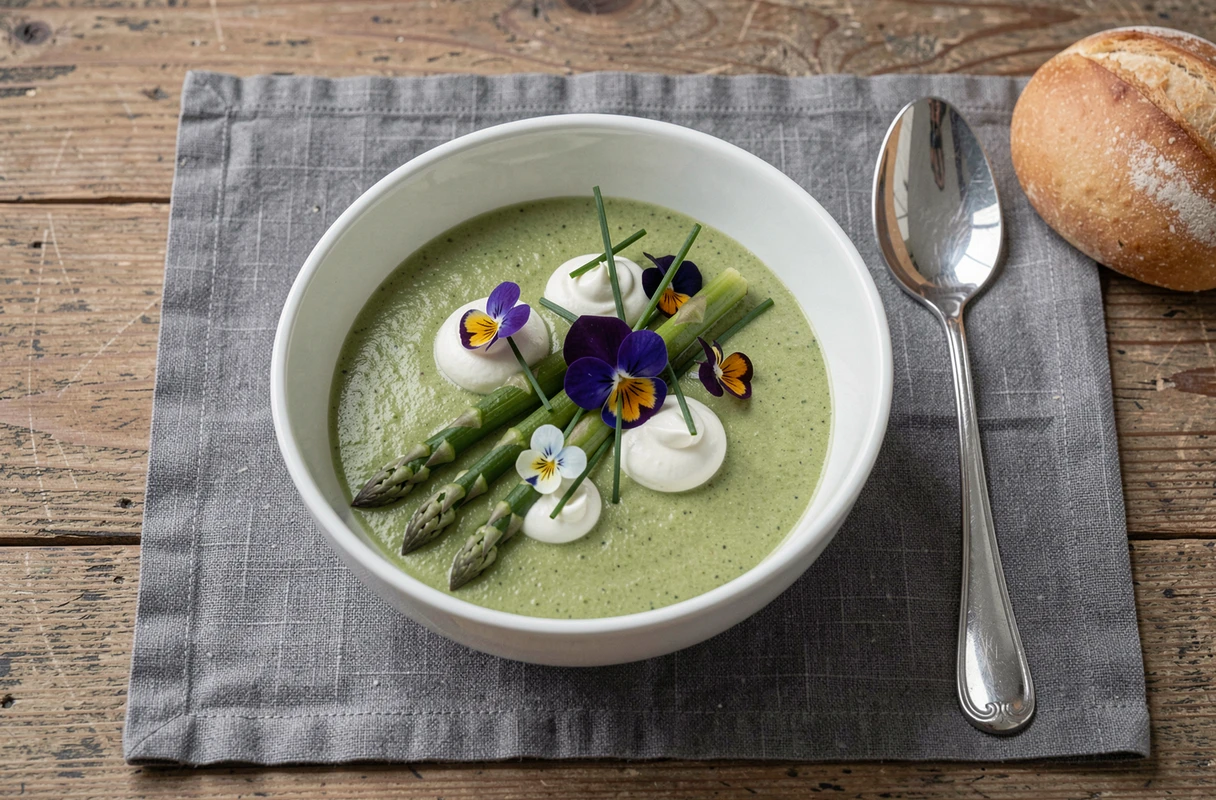
The same logic applies to the starter: a seasonal vegetable terrine (green asparagus, peas, fava beans) set in a light chicken broth jelly can be sliced neatly after a night of resting. The result is visually appealing, and the flavor refines over time. To explore other ideas around this principle, the Pentecost menu on L’Entracte Gourmand offers interesting combinations of seasonal products and cold serving formats.
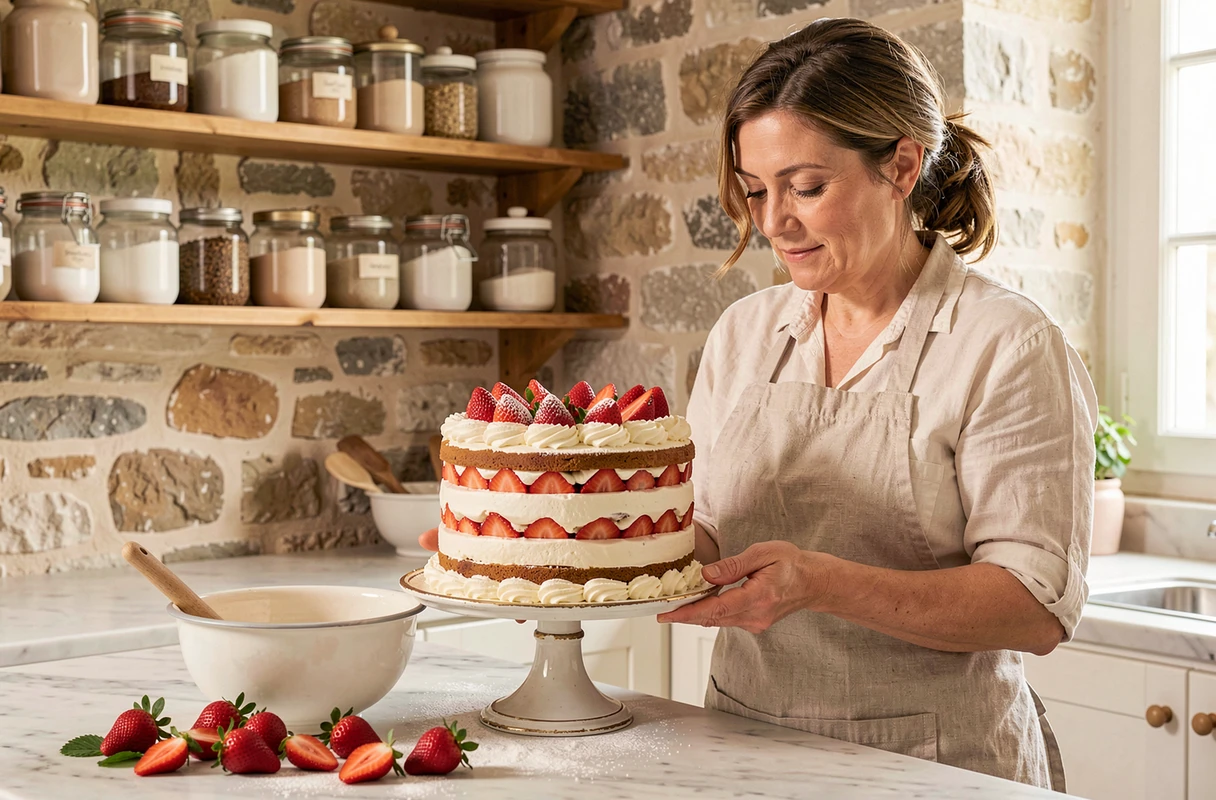
The dessert follows the same approach. An almond milk panna cotta, topped with strawberries and a red fruit coulis, can be prepared in a few minutes and disassembled without stress the next day. No cooking on the day of the meal: this is the rule that changes everything when hosting.
Pentecost buffet menu: compositions for large gatherings
When the table gathers more than eight guests, plated service becomes a headache. The buffet solves the problem, as long as it is not turned into a haphazard collection of hors d’oeuvres.
A good Pentecost buffet rests on three pillars:
- A cold main dish that can be sliced or served with a spoon, such as a veal roast cooked the day before, thinly sliced and topped with a tonnato sauce (tuna, capers, emulsified anchovies). This Italian classic is perfectly suited for serving at room temperature.
- Two or three accompaniments with varied textures: a spelt tabbouleh with fresh herbs, a salad of green beans and roasted hazelnuts, a savory cake with olives and goat cheese cut into cubes.
- One or two desserts that won’t melt in the sun: almond financiers, lemon shortbread, or rhubarb compote served in jars with fresh cheese.
Three elements are enough to structure a coherent buffet. Multiplying preparations dilutes the effort and complicates service.
The trap of an overly abundant buffet
Adding a hot dish “just in case” forces you to juggle between the oven and your guests. If you want a warm note, limit it to a single simple item: a vegetable quiche reheated just before serving, or a potato gratin taken out of the oven and placed on a board. One hot dish maximum to maintain the principle of a cold buffet.
Forgotten traditional recipes for an original Pentecost meal
Competitors almost all offer lists of easy and quick recipes. The result: the same quiches, the same composed salads, the same cakes appear from one site to another. For a truly memorable Pentecost menu, you need to dig a little deeper.
Bouchées à la reine, for example, are a classic of French cuisine that is rarely seen on festive tables anymore. A puff pastry shell filled with a creamy chicken blanquette with mushrooms and dumplings: the preparation is done entirely the day before, the filling reheats in a few minutes, and the effect on guests is guaranteed. Bouchées à la reine can be prepared the day before and reheated in five minutes.
The berrichon Easter pie, traditionally served in spring, also works perfectly for Pentecost. This closed pie, stuffed with minced meat and whole hard-boiled eggs encased in golden pastry, travels easily and can be eaten cold or warm. It’s a festive picnic dish that radically changes from a pasta salad.
Provençal specialties adapted to the cold format
Homemade tapenade, small stuffed vegetables served at room temperature, fougasse with cracklings: these southern recipes naturally fit into a buffet-oriented Pentecost menu. They travel well, store easily, and bring a regional identity that generic recipes cannot offer.
Organizing preparation over two days: concrete planning
An ambitious Pentecost menu cannot be improvised on the morning itself. Spreading the work over two days transforms the experience.
The day before: all cooking, all assembling. Roast the meat, cook the terrine, assemble the desserts, prepare the sauces. Everything goes into the refrigerator covered with plastic wrap or in airtight containers.
On the big day: take the dishes out of the fridge an hour before serving so they reach room temperature. Plate the dishes or set up the buffet. Add fresh garnishes at the last moment (chopped herbs, edible flowers, a few turns of the pepper mill).
- Cold starter (terrine or tartare): complete preparation the day before, resting in the cold all night
- Main dish (cold roast, pie, or bouchées à la reine): cooking the day before, quick slicing or reheating on the big day
- Accompaniments (salads, savory cakes): assembly the day before, final seasoning in the morning
- Dessert (panna cotta, financiers, compote): complete preparation the day before
This sequencing leaves Sunday or Monday morning of Pentecost free to set the table, prepare drinks, and welcome the first arrivals without stress.
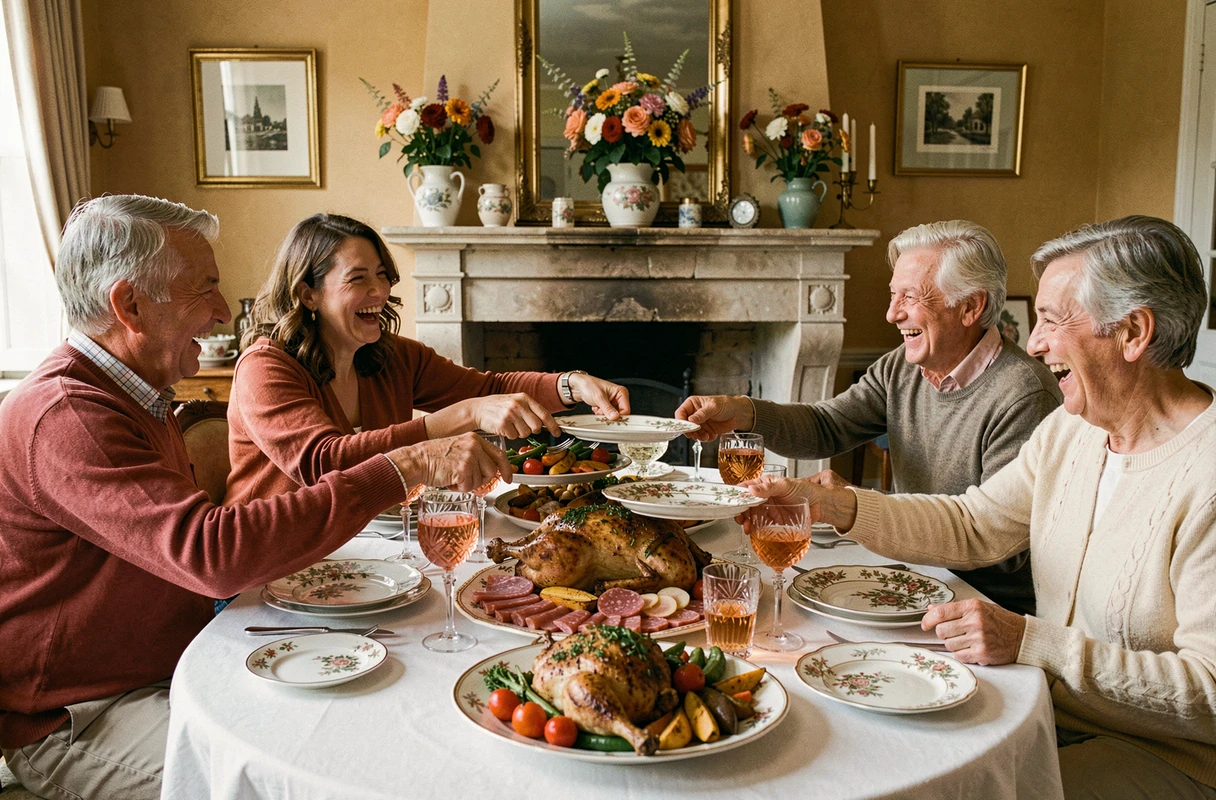
The true luxury of a festive family meal is not the complexity of the recipes. It is being seated with loved ones when the first dish arrives at the table, instead of hovering around the oven with a stained apron. A menu prepared the day before transforms the cook into a guest.